Licensed & Insured
Fast Response
Serving All of Florida
Free No-Obligation Quote
24/7 Emergency Available
Reliable Sump Pump Repair & Installation
A working sump pump is one of the most important protections your home has against basement or crawl space flooding. When it fails during heavy rain or high groundwater, the damage can be significant and expensive. At HomeFixer, we connect homeowners across Florida with experienced local plumbers who handle sump pump repairs, replacements, and new installations. Whether your pump has stopped working, is making unusual noises, or you need a system installed for the first time, we help you get the right professional quickly. Our goal is to make the process simple so your home stays protected with minimal stress.
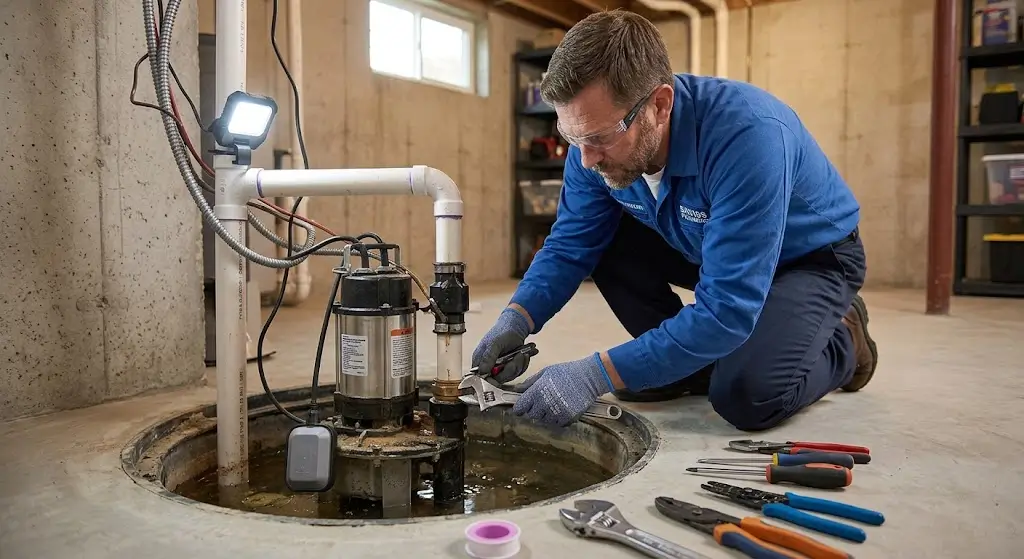
Sump Pump Services We Offer
Our network of plumbers handles a full range of sump pump needs for residential properties.
Sump Pump Repair
Diagnosing and fixing pumps that won’t turn on, run continuously, or fail to remove water effectively.
Sump Pump Replacement
Removing old or failed units and installing a reliable new sump pump suited to your home’s needs.
New Sump Pump Installation
Professional installation of a complete sump pump system in homes that don’t currently have one.
Battery Backup Sump Pump Setup
Adding battery backup systems so your pump continues working during power outages.
Sump Pump Switch & Float Repair
Fixing or replacing faulty switches and float mechanisms that prevent the pump from activating properly.
Preventive Sump Pump Maintenance
Routine inspection and testing to help ensure your pump is ready when you need it most.
Why Homeowners Trust Home Fixer for Slab Leak Repair
Fast Response Times
Quick help when your sump pump fails, especially during heavy rain
Repair or Replacement
Honest recommendations based on the condition of your system
Serving All of Florida
Coverage across major cities and surrounding communities
How Sump Pump Service Works with Us
Tell Us the Problem
Let us know what’s happening — pump not turning on, unusual noises, water not being removed, or if you need a new installation.
Get Matched Locally
We connect you with a reliable plumber near you who handles sump pump repair and installation.
Get Your System Working
The plumber diagnoses the issue and completes the repair, replacement, or new installation.
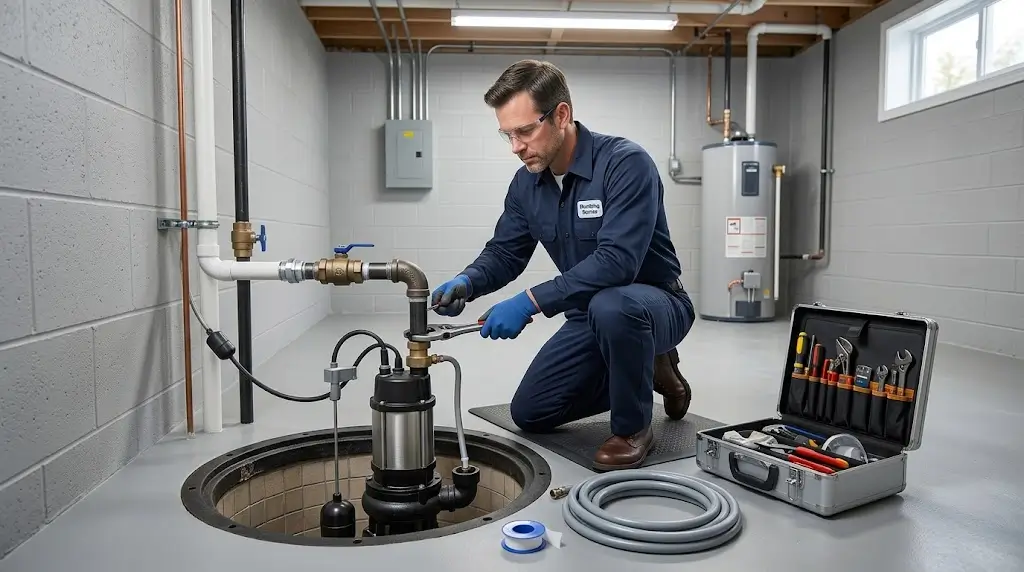
Get Your Free Plumbing Quote
Protect Your Home with a Working Sump Pump
Don’t wait until the next heavy rain to find out your sump pump isn’t working. Reach out today and we’ll connect you with a local plumber who can help.
- Fast matching with local professionals
- Free, no-obligation quotes
- Serving homeowners across Florida