Sewer Line Repair in Florida: Signs, Repair Options, and Costs

On Wednesday, October 7, 2026, at 2:10 PM, Mark Thompson of Westchase, Tampa called Home Fixer. Roots were invading his sewer line, and he was bracing for a $5,000+ replacement.
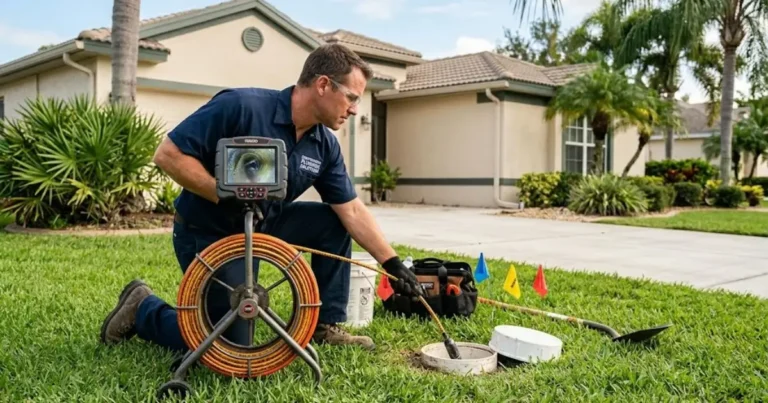
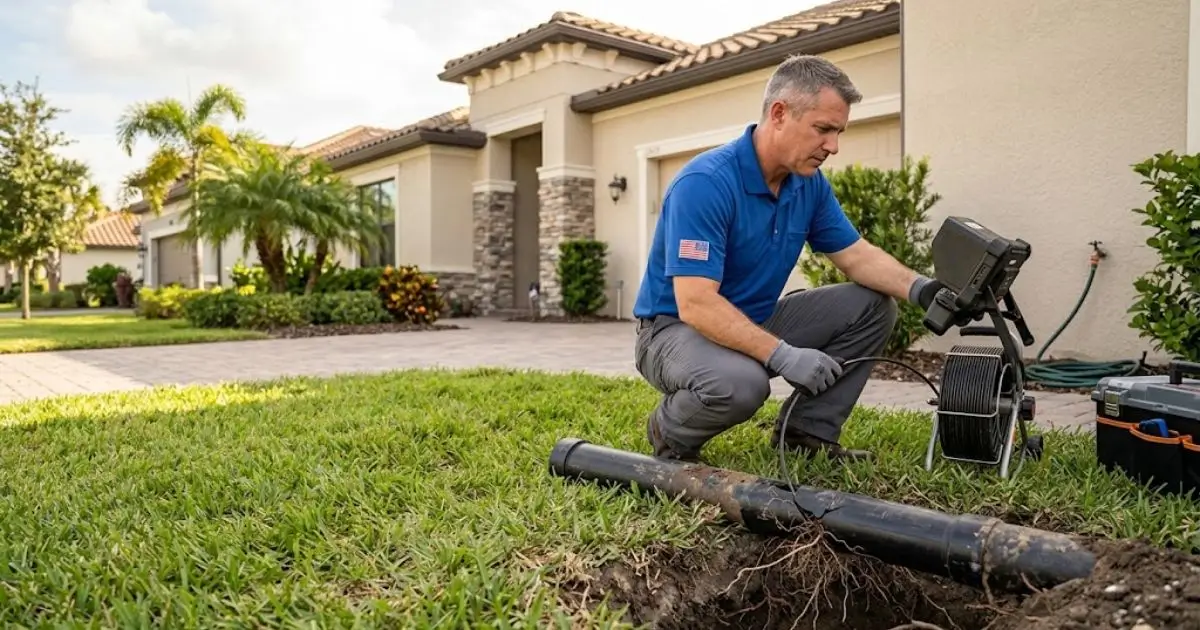
Our plumber ran a camera in from the roof vent and found that the roots weren’t coming through the main line. They were entering through a broken cleanout riser. He repaired the riser, removed the roots, and extended it. Mark paid less than $1,000 for a permanent fix, and the line kept its proper access.
That is the point of this guide. Sewer line repair should match the actual failure, not the biggest invoice. Here are the signs, the options, and what each costs in Florida.
“A camera inspection costs a few hundred dollars. Replacing a pipe that didn’t need replacing costs thousands. Look first, then decide.”
David Reynolds, Founder, Home Fixer
Quick Answer
A damaged sewer line can be fixed with cleaning, a spot repair, pipe lining, pipe bursting, or full excavation. The right choice depends on pipe material, damage location, slope, root intrusion, depth, and access. If several fixtures are backing up, stop using water and get the line inspected.
Signs You May Need Sewer Line Repair
One slow sink is usually a local clog. A main sewer problem shows up in more than one place:
- Toilets gurgling when a sink, shower, or washing machine drains
- Water backing up into a tub, shower, or floor drain
- Slow drains in several rooms
- Sewage odors inside the home or in the yard
- Clogs that return after snaking
- Wet, sunken, unusually green, or foul-smelling patches in the yard
- Problems that get worse after rain
What Causes a Sewer Line to Fail?
Tree roots. Roots enter through cracks, failed joints, and old connections. Cutting them restores flow for a while, but the opening stays until it’s repaired, lined, or replaced. As Mark’s case shows, check where the roots are getting in before blaming the pipe.
Aging pipe. Cast iron, clay, and Orangeburg pipe crack, corrode, or deform, and rough interiors catch debris.
Pipe bellies. Shifting soil creates a low spot where waste collects. Cleaning helps temporarily, but a severe belly needs repair.
Grease and wipes. The EPA advises flushing only toilet paper. Wipes, paper towels, and grease clog home plumbing and sewer systems.
Breaks and collapse. A separated, offset, or collapsed line can’t be cleaned back to health. It has to be located and repaired.
How We Diagnose the Problem
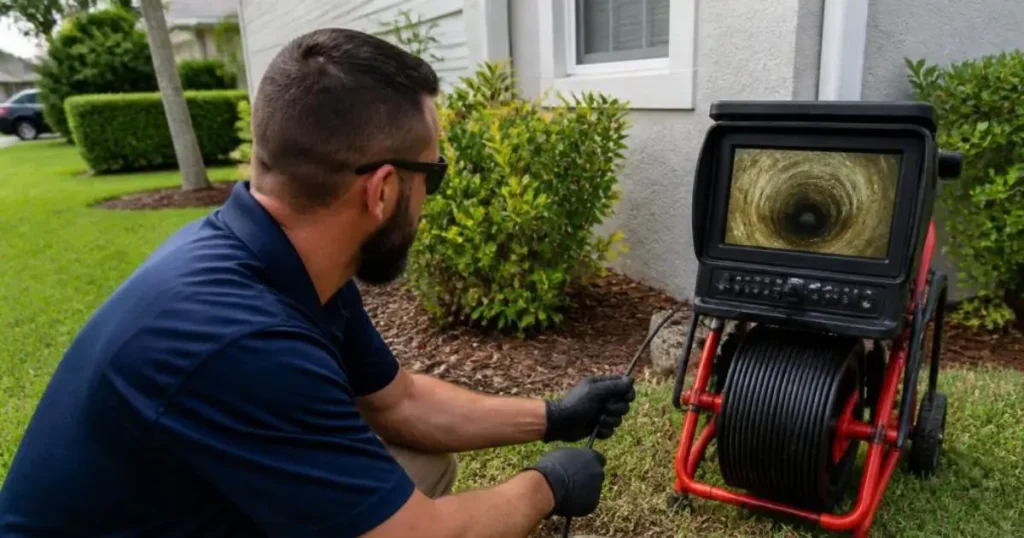
- Review the symptoms. Which fixtures back up? Is it recurring? Does it change after rain?
- Find an access point. That’s usually the cleanout, or in Mark’s case, the roof vent.
- Run a camera. It locates roots, grease, cracks, offsets, bellies, and collapse.
- Show you the footage and explain where the problem is and how severe it is.
- Recommend the least invasive repair that works. A cleanable clog doesn’t need a new pipe.
Sewer Line Repair Options
| Option | Best for | Limitation |
|---|---|---|
| Drain cleaning / hydro jetting | Grease, debris, soft buildup, minor roots | Doesn’t fix cracks or collapse |
| Spot repair | One damaged section | May require excavation |
| Trenchless pipe lining | Cracks, corrosion, root entry in a stable pipe | Not for badly collapsed or misaligned lines |
| Pipe bursting | Replacing a line along its existing path | Needs suitable access and site conditions |
| Traditional excavation | Severe collapse, major offset, poor slope | Can disturb landscaping, concrete, or driveways |
Trenchless repair
Trenchless methods repair or replace pipe with limited digging. Pipe lining installs a resin-saturated liner inside the existing pipe, which hardens into a new inner pipe. It works when the pipe is mostly intact. Pipe bursting pulls a new pipe through the old route while breaking the old one apart.
When trenchless is the wrong choice
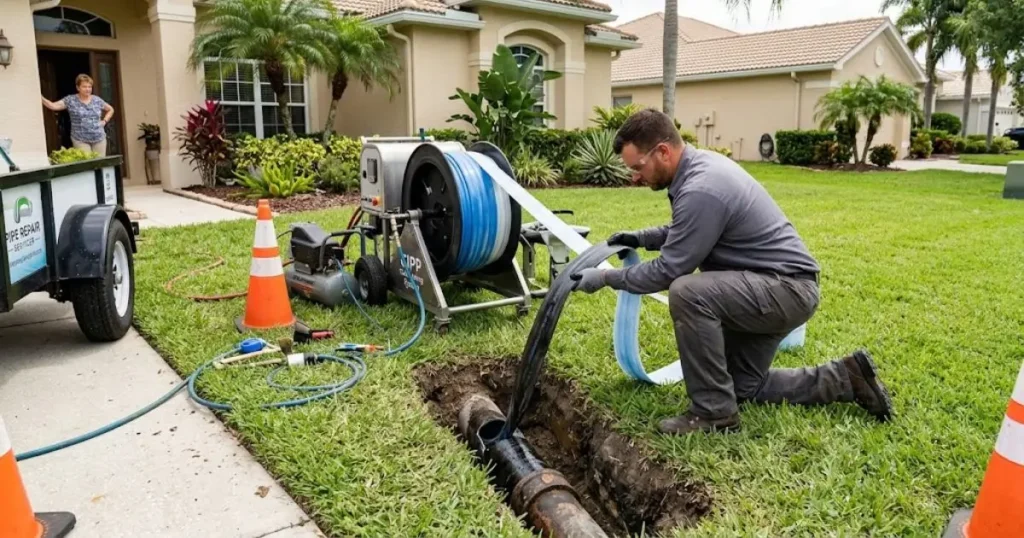
We don’t recommend it automatically. Excavation may be necessary with a fully collapsed pipe, a major offset, a severe belly, limited equipment access, or a pipe that can’t be properly cleaned for lining. The best method is the one that fixes the actual failure, not the one with the best marketing.
Sewer Line Repair Cost in Florida
Price depends on the diagnosis, pipe length, depth, access, material, permits, restoration, and whether it’s an emergency. These are 2026 planning estimates, not quotes:
| Service | Typical Florida range |
|---|---|
| Sewer camera inspection | $150 – $450 |
| Small spot repair | $1,500 – $4,500 |
| Trenchless pipe lining | $80 – $250 per foot |
| Pipe bursting | $100 – $250 per foot |
| Full sewer line replacement | $3,500 – $15,000+ (most common: $5,000 – $12,000) |
| Complex excavation and restoration | Often $12,000 – $25,000+ |
Compare Mark’s under-$1,000 repair to the $5,000+ replacement he was expecting. The camera made the difference.
Who Is Responsible for the Sewer Line?
It varies by city, utility, and where the pipe failed. In many cases, the homeowner owns the private sewer lateral from the house to the property line or utility connection. Pinellas County, for example, makes property owners responsible for maintaining or replacing defective private laterals up to the property line, and permits may be required.
Before authorizing work, confirm the failure location with a camera and check your city or utility’s rules. Don’t assume the utility will pay for a pipe on private property.
Standard homeowners insurance often excludes gradual wear, corrosion, and root damage. Some policies offer sewer-backup or service-line endorsements. Florida’s CFO notes that sewer-backup coverage may be available as an endorsement. Read your policy before a failure happens.
What to Do During a Sewer Emergency
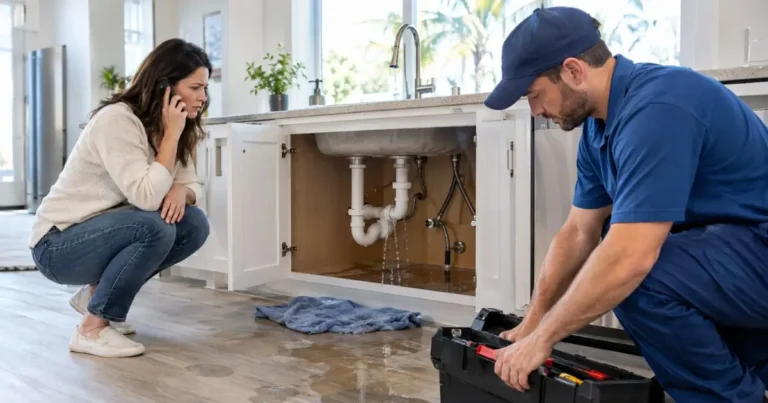
Call right away if sewage is entering the home, several fixtures are backing up, or wastewater is coming through a floor drain. Until help arrives:
- Stop using all water in the building.
- Keep people and pets away from contaminated water.
- Skip chemical drain cleaners.
- Don’t open a cleanout if sewage is backing up under pressure.
- Photograph the damage for insurance, if it’s safe.
A sewer blockage doesn’t always require shutting off the main water valve. That’s for an active supply leak.
How to Choose a Sewer Line Repair Company
Choose on evidence, not the lowest advertised price. Ask whether the company will:
- Diagnose before recommending replacement
- Show you the camera footage
- Explain why that method fits your pipe
- Give you written scope, cost, permits, exclusions, and warranty
- Confirm licensing and insurance
- Tell you what happens if the pipe is worse than expected
This applies to residential and commercial jobs alike. A property manager with a restaurant or multi-unit building should also ask for expected downtime and a plan for tenant communication.
Frequently Asked Questions
David Reynolds
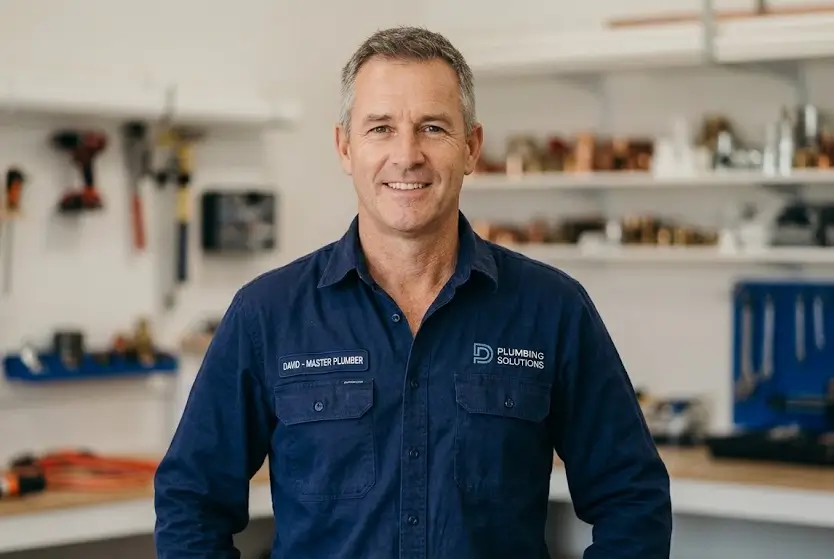
I’ve spent over 25 years working as a plumber all across Florida fixing burst pipes, water heaters, sewer issues, and everything in between. After years of being out in the field every day, I stepped back from the hands-on work but still wanted homeowners to get solid, reliable help. That’s why I started Home Fixer. Now I work with a trusted team of licensed and experienced plumbers so people can get the same kind of service I used to provide myself.